


Request a Demo
Join a 30 minute demo with a Cloudian expert.
Object storage is a method of storing data as discrete units known as objects. Each object contains the data itself, a variable amount of metadata, and a unique identifier, making it different from traditional file or block storage. The object model enables scalable, flat-name space architectures suited for unstructured data, such as media files, backups, analytical datasets, and logs.
Popular on-premise object storage options include Cloudian and MinIO, while Amazon S3, Azure Blob Storage, and Google Cloud Storage provide cloud-based object storage solutions. These solutions are designed to store large volumes of unstructured data like images, videos, and backups, and they are accessible via APIs for applications.
In this article:

Cloudian HyperStore is a software-defined object storage platform that delivers exabyte-scale S3-compatible storage for enterprises requiring scalable, cost-effective data management across diverse workloads including AI/ML, analytics, backup and archive, media workflows, and cloud repatriation. The platform provides the flexibility of cloud storage with the control and economics of on-premises infrastructure, enabling organizations to manage petabyte-scale datasets while maintaining complete data sovereignty. HyperStore’s distributed architecture supports both single-site and multi-site deployments with built-in geo-replication and advanced data protection capabilities.
Key features include:


HPE Alletra Storage MP X10000 is an on-premise object storage platform for high-performance, scale-out workloads. It supports unstructured data needs in AI, analytics, and backup scenarios. The system offers flash-based performance with integrated data intelligence features.
Key features include:


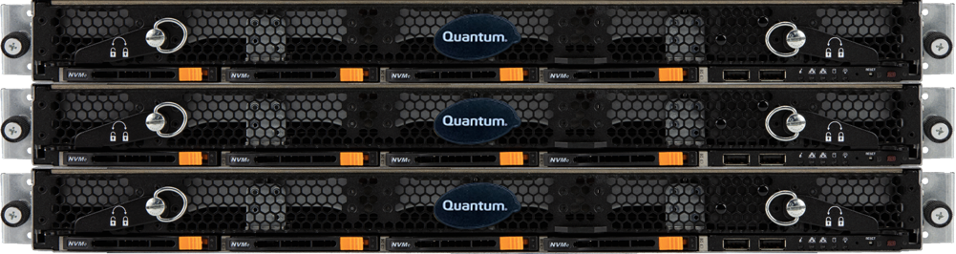
ActiveScale is a software-defined object storage platform that unifies active and cold data tiers in a single system. It is suited for use cases such as AI/ML, media workflows, analytics, and backup. The platform uses two-dimensional erasure coding to improve durability and efficiency, particularly in long-term cold storage scenarios.
Key features include:

Amazon S3 is a cloud object storage service from AWS for scalable, durable storage of unstructured data. It supports use cases ranging from backups and archiving to data lakes, analytics, and cloud-native application storage. S3 offers integration with other AWS services, provides security and access controls, and enables tiered storage for cost optimization.
Key features include:


Azure Blob Storage is Microsoft’s object storage platform optimized for storing massive amounts of unstructured data. It is suited for cloud-native applications, backup solutions, and analytics pipelines. Its native integration with Azure tools and services allows for automated data management and scaling.
Key features include:


Google Cloud Storage is a globally distributed, high-performance object storage service suited for storing data for analytics, ML workloads, web content, and archival. It offers unified API access across storage classes and fine-grained controls over performance, access, and cost.
Key features include:

Related content: Read our guide to object storage tools
When evaluating object storage, assess the platform’s ability to handle growing volumes and numbers of objects without significant rearchitecture. Solutions should offer linear scaling across commodity hardware or cloud instances, with little impact on performance. The capacity to expand storage without disrupting active workloads is crucial for dynamic, data-intensive organizations.
Durability and performance are as critical as scale. Built-in data redundancy, erasure coding, or replication should prevent data loss in hardware or site failures. Consistent, predictable performance at scale (accounting for object ingest, retrieval, and metadata operations) differentiates enterprise platforms from consumer-grade offerings. Evaluate vendors’ published SLAs and test under realistic production loads where possible.
API compatibility ensures that storage platforms work with your organization’s current and future tools. The S3 API has become the de facto standard, meaning native support or strong compatibility is often mandatory for storage solutions to interface with backup software, analytics platforms, and application workloads. Support for open standards, such as Swift or custom APIs, can enhance integration flexibility in multi-cloud or hybrid environments.
Beyond APIs, ecosystem integration is vital for simplifying workflows. Consider whether the solution has robust SDKs, plug-ins, or connectors for your application and orchestration platforms. Deep integration with authentication (Active Directory, IAM), analytics (Hadoop, Spark), and monitoring solutions increases the value of the storage system.
Security in object storage covers multiple layers: encryption at rest and in transit, identity and access control, audit logging, and compliance certifications. Evaluate support for enterprise security frameworks like IAM, ACLs, and role-based access that control who can create, delete, or modify objects. End-to-end encryption mitigates the risk of data breaches, especially in hybrid or multi-tenant environments.
Compliance and governance are equally critical. Storage solutions should meet regulatory certifications relevant to your industry, such as HIPAA, GDPR, or SOC 2. Built-in features for data retention, immutability, and legal hold support compliance with legal and policy mandates. Additionally, strong audit trails and logging help detect suspicious activity.
Operational complexity can drastically impact TCO (total cost of ownership) and agility. Solutions that automate healing, scaling, rebalancing, and monitoring minimize manual intervention and lower administrative overhead. Intuitive UI dashboards, automated provisioning, and RESTful management APIs help simplify routine operations, especially for large or multi-site deployments.
Management tooling should offer granular alerts, health monitoring, and analytics to quickly diagnose issues and optimize resource usage. The ability to set policies for data lifecycle, migration, or replication from the management interface is essential for operational efficiency.
Object storage cost structures vary across on-premise, hybrid, and public cloud deployments. Cloud providers often use a consumption-based model with charges for storage used, operations performed, and data egress. Organizations must factor in bandwidth, retrieval costs, and long-term retention tiers when estimating total operating expenses.
Hidden costs, like inter-region transfers or API call surcharges, can significantly affect budgeting for large deployments. For on-premise or appliance-based solutions, upfront hardware investment and maintenance contracts influence long-term expenditures. Consider licensing models, support fees, and upgrade costs, especially as storage footprints expand.
Learn more in our detailed guide to object storage solutions
Object storage offers a scalable and efficient way to manage growing volumes of unstructured data, enabling organizations to meet demands for flexibility, durability, and accessibility across diverse workloads. Its API-driven architecture, support for metadata, and compatibility with modern security and compliance frameworks make it well-suited for hybrid cloud strategies, backup and archiving, analytics, and application development. By carefully evaluating scalability, integration, operational complexity, and cost structures, enterprises can choose solutions that align with their data management goals and long-term infrastructure strategy.
See Cloudian first in Google Search

