


Request a Demo
Join a 30 minute demo with a Cloudian expert.
TL;DR: Object storage keeps huge, unstructured archives durable and immutable for years. Best for on-prem retention: Cloudian HyperStore; best cloud object storage: Amazon S3 (Glacier).
Object storage is the standard for long-term data retention. It replaces traditional tape systems by offering high durability, instant retrieval, and scalability. Instead of sorting files in a tree of folders, object storage places all data into flat pools, saving it alongside custom tags (metadata) and a unique ID number.
Why object storage wins for retention:
In this article:
The table below summarizes the key differences between the systems covered in this article. We explore each of them in more detail in the sections that follow.
| Category | Solution | Best For | Key Strengths | Things to Consider |
| On-Premises & Software Defined | Cloudian HyperStore | On-prem and hybrid S3-compatible storage with data sovereignty | S3 Object Lock, geo-distribution, per-bucket configuration, erasure coding, exabyte scale | Monitoring UI can take extra steps to navigate |
| On-Premises | NetApp StorageGRID | Long-term retention and backup across hybrid cloud | ILM policy engine, S3 Object Lock, erasure coding | High VM RAM/CPU and raw-capacity overhead |
| On-Premises & Software Defined | Scality RING | Petabyte-to-exabyte on-prem archives and backup | 14 nines durability, S3 Object Lock, low TCO | Encryption and full S3 parity have gaps |
| On-Premises & Software Defined | MinIO AIStor | S3-compatible object storage for AI and analytics | Object Lock, versioning, lifecycle, 11 nines durability | Docs gaps; monitoring and upgrades can be tricky |
| Cloud Object Storage Service | Amazon S3 | Cloud object storage and archival at any scale | 11 nines durability, Glacier tiers, Object Lock | Pricing and IAM policies can be complex |
| Cloud Object Storage Service | Microsoft Azure Blob Storage | Cloud object storage for data lakes and archives | Immutable WORM, access tiers, lifecycle management | Egress costs and console usability |
| Cloud Object Storage Service | Google Cloud Storage | Cloud object storage with tiered archival classes | Bucket Lock retention, lifecycle, Autoclass | Permission setup and billing can be complex |
| Cloud Object Storage Service | Wasabi Hot Cloud Storage | Low-cost single-tier cloud backups and archives | No egress/API fees, immutability, S3 compatible | One tier only; console and permissions setup |
The exponential growth of data in modern enterprises is driven by digital transformation, IoT, analytics, and regulatory requirements. As organizations generate and collect more information, traditional storage systems become difficult and expensive to scale. File and block storage architectures often hit practical or cost limits when dealing with petabytes of unstructured data, making them unsuitable for long-term retention at scale.
Object storage addresses these challenges by providing a flat namespace and virtually unlimited scalability. This enables organizations to accommodate ever-growing data volumes without the need to constantly rearchitect or migrate storage systems. The efficiency of object storage also reduces administrative overhead, allowing IT teams to focus on managing policies and access rather than infrastructure limitations.
Ransomware attacks and data tampering incidents are increasingly common and can have devastating consequences, particularly for long-term archives. Traditional storage systems may lack features that protect against unauthorized modification or deletion, leaving organizations vulnerable to loss or corruption of critical data. The inability to ensure data immutability in file or block storage further increases these risks.
Object storage systems often include built-in immutability features such as write-once-read-many (WORM) capabilities and time-locked retention policies. These controls prevent data from being altered or deleted for a specified period, even by administrators. As a result, object storage provides a robust defense against ransomware and insider threats, ensuring that archived data remains intact and trustworthy over the long term.
Related content: Learn more about how object storage protects you from ransomware.
Many industries are subject to strict regulations that dictate how long data must be retained and how it must be protected. Healthcare, finance, legal, and government sectors often require data to be stored for years, sometimes decades, with guarantees of integrity and accessibility. Non-compliance can lead to severe penalties, legal action, or reputational damage, making regulatory adherence a top priority.
Object storage is well-suited for regulatory compliance due to its support for retention policies, audit trails, and immutable storage. Administrators can define rules to enforce data retention periods, prevent premature deletion, and provide evidence of data integrity. The ability to tag objects with metadata also simplifies classification and retrieval for audits or legal holds, reducing the complexity and cost of meeting regulatory obligations.
Object storage is designed to optimize costs for long-term data retention. By decoupling storage capacity from performance, organizations can use commodity hardware and scale out as needed. This reduces upfront investment and ongoing maintenance expenses compared to traditional storage solutions that often require proprietary hardware or complex architectures. Cloud-based object storage options further lower costs by shifting to an operational expenditure model, allowing organizations to pay only for the storage they use.
Additionally, object storage systems often feature built-in data reduction technologies such as deduplication and compression. These features minimize the physical storage footprint, further lowering the total cost of ownership. The ability to automate data tiering and move infrequently accessed data to lower-cost storage classes also contributes to significant savings over the data lifecycle, making object storage a financially attractive solution for long-term retention.
One of the main advantages of object storage is its ability to scale seamlessly to accommodate growing data sets. Traditional file and block storage systems are often constrained by architecture or performance bottlenecks, making expansion difficult and costly. Object storage, in contrast, uses a flat namespace and distributed architecture, which enables organizations to add capacity without disrupting operations or restructuring existing data.
This scalability is critical for enterprises dealing with unpredictable or exponential data growth. Object storage systems can be deployed on-premises, in the cloud, or in hybrid configurations, offering flexibility to match business needs. As a result, organizations can confidently plan for future growth, knowing that their storage infrastructure will not become a limiting factor for long-term data retention.
Immutability is a key feature of object storage that protects data from unauthorized modifications or deletion. With features like WORM and retention policies, organizations can ensure that critical data remains unaltered for the required retention period. This is particularly important for compliance with regulations such as SEC 17a-4, HIPAA, or GDPR, where data integrity and preservation are mandated by law.
In addition to compliance, immutability serves as a defense against ransomware and insider threats. By locking data against changes, object storage systems prevent attackers from encrypting, deleting, or altering archived files. This ensures that backup and archival data remain a reliable source for recovery and investigation, providing peace of mind for organizations facing evolving security threats.
Erasure coding is a data protection mechanism commonly used in object storage systems. It breaks data into fragments, encodes them with redundant pieces, and distributes them across multiple disks or nodes. This approach provides high durability and fault tolerance while using less storage overhead than traditional replication. If a disk or node fails, the system can reconstruct the lost data from the remaining fragments, ensuring continuous availability.
The efficiency of erasure coding makes it especially valuable for long-term retention, where data durability and storage costs are top concerns. Unlike simple replication, which multiplies storage requirements, erasure coding achieves the same or higher levels of protection with less capacity. This allows organizations to store large volumes of data securely and cost-effectively, without sacrificing performance or resilience.
Organizations can retain data using file storage, block storage, tape, or object storage, but each architecture is designed for different workloads. File and block storage prioritize active applications and frequent access, while tape focuses on low-cost offline archives. Object storage combines massive scalability, high durability, rich metadata, and policy-based data protection, making it the preferred architecture for long-term retention of large volumes of unstructured data.
The following table summarizes the differences between these storage options.
| Aspect | Object Storage | File Storage | Block Storage | Tape Storage |
| Data organization | Flat namespace with unique object IDs and customizable metadata | Hierarchical folders and directories | Fixed-size data blocks | Sequential files on physical tapes |
| Scalability | Virtually unlimited, scales to billions of objects | Limited by file system architecture and namespace constraints | Can scale, but management becomes more complex as capacity grows | Capacity expands by adding physical tapes and libraries |
| Data retrieval | Direct access through object ID or metadata | File path and directory navigation | Block-level access through the file system or application | Sequential access with long retrieval times |
| Metadata | Extensive, customizable metadata for indexing and lifecycle policies | Limited file attributes | Minimal storage metadata | Limited metadata, typically managed by external software |
| Data protection | Built-in erasure coding, replication, Object Lock, and immutability | Depends on the storage platform and backup software | Usually relies on external replication and backup tools | Durable media but vulnerable to handling, transport, and media degradation |
| Management overhead | Low, with automated lifecycle and retention policies | Increases as file systems grow | Requires careful provisioning and volume management | High due to media rotation, storage, and maintenance |
| Typical cost | Low cost at scale, especially for long-term retention | Moderate | Higher because performance is prioritized | Lowest cost per TB, but higher operational costs |
| Overall suitability for long-term retention | Excellent | Moderate | Limited | Good for deep archives where slow recovery is acceptable |
How we selected these systems: We shortlisted object storage systems based on data durability, immutability and retention controls (WORM/Object Lock), scalability, and lifecycle management for storing data over the long term.

Best for: On-prem and hybrid S3 storage with data sovereignty
Strengths: S3 Object Lock, geo-distribution, multi-tenant, per-bucket configuration, exabyte scale
Things to consider: Monitoring UI can take extra steps to navigate
Cloudian HyperStore is software-defined object storage that runs on industry-standard servers or Cloudian appliances, on-premises or across hybrid clouds. It presents distributed sites as a single flat S3 namespace managed through one console and one set of credentials.
The platform uses a shared-nothing, peer-to-peer architecture with no central metadata server or head node. Every node serves I/O, so capacity and throughput scale together as nodes are added, and the system stores unstructured data at exabyte scale with non-disruptive expansion at one site or across many.
Key features include:
Limitations (as reported by users on G2):


Best for: Long-term retention and backup across hybrid cloud
Strengths: ILM policy engine, S3 Object Lock, erasure coding
Things to consider: High VM RAM/CPU and raw-capacity overhead
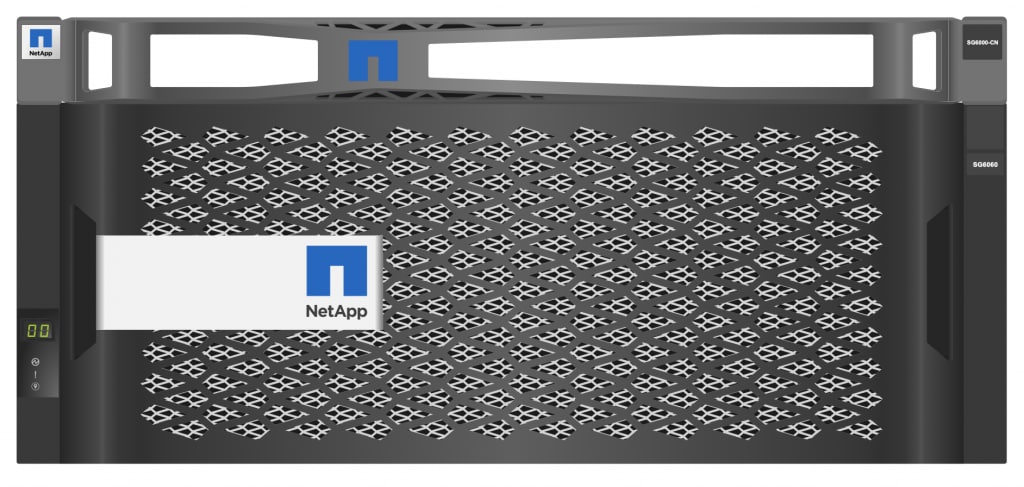
NetApp StorageGRID is software-defined object storage that manages globally distributed data under a single namespace with native S3 support. It can run on hardware appliances, virtual machines, or Docker containers, or a combination across physical and virtual environments.
Its metadata-driven information lifecycle management engine places content on the right storage tier at the right time and enforces retention over long periods, which makes it a common choice for backup and archive workloads.
Key features include:
Limitations (as reported by users on G2):

Best for: Petabyte-to-exabyte on-prem archives and backup
Strengths: 14 nines durability, S3 Object Lock, low TCO
Things to consider: Encryption and full S3 parity have gaps
Scality RING is scale-out file and object storage software that runs on industry-standard x86 servers. It scales across capacity, performance, sites, and clouds under a single S3 namespace and supports both object access through S3 and file access through NFS and SMB.
The software is positioned for large, long-term repositories such as active and compliance archives, using a distributed, single-system design that aims to keep data available during failures, upgrades, and expansions.
Key features include:
Limitations (as reported by users on PeerSpot):

Best for: S3-compatible object storage for AI and analytics
Strengths: Object Lock, versioning, lifecycle, 11 nines durability
Things to consider: Docs gaps; monitoring and upgrades can be tricky
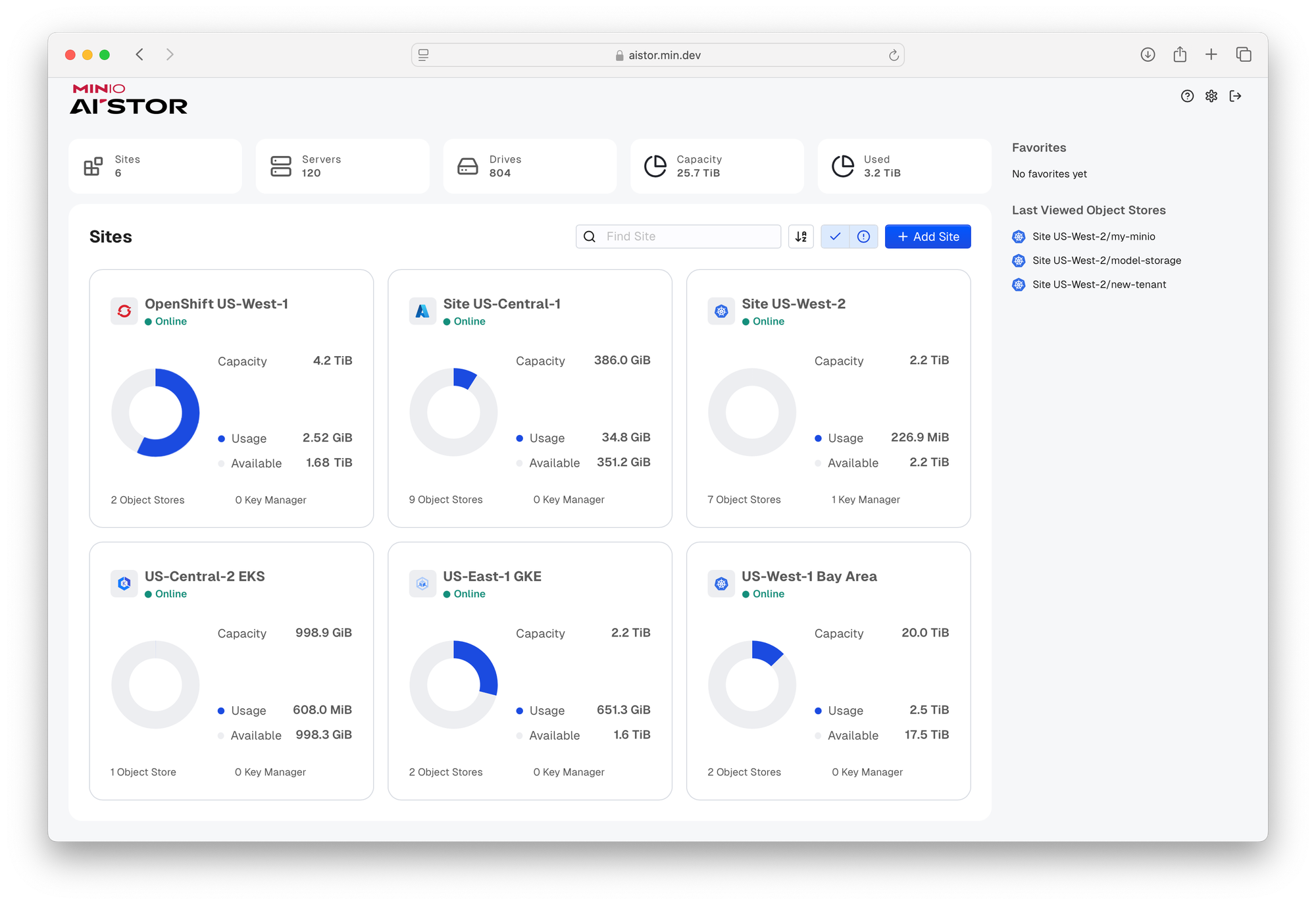
MinIO AIStor is software-defined, S3-compatible object storage that scales from petabytes to exabytes in a single namespace and can be deployed at the edge, core, or cloud. It provides object immutability, versioning, lifecycle management, replication, and encryption within one system.
Its data-management capabilities are designed to consolidate versioning, retention, inventory, and compression under shared IAM policies, audit logs, and encryption, rather than assembling those functions from separate services.
Key features include:
Limitations (as reported by users on G2):
Best for: Cloud object storage and archival at any scale
Strengths: 11 nines durability, Glacier tiers, Object Lock
Things to consider: Pricing and IAM policies can be complex
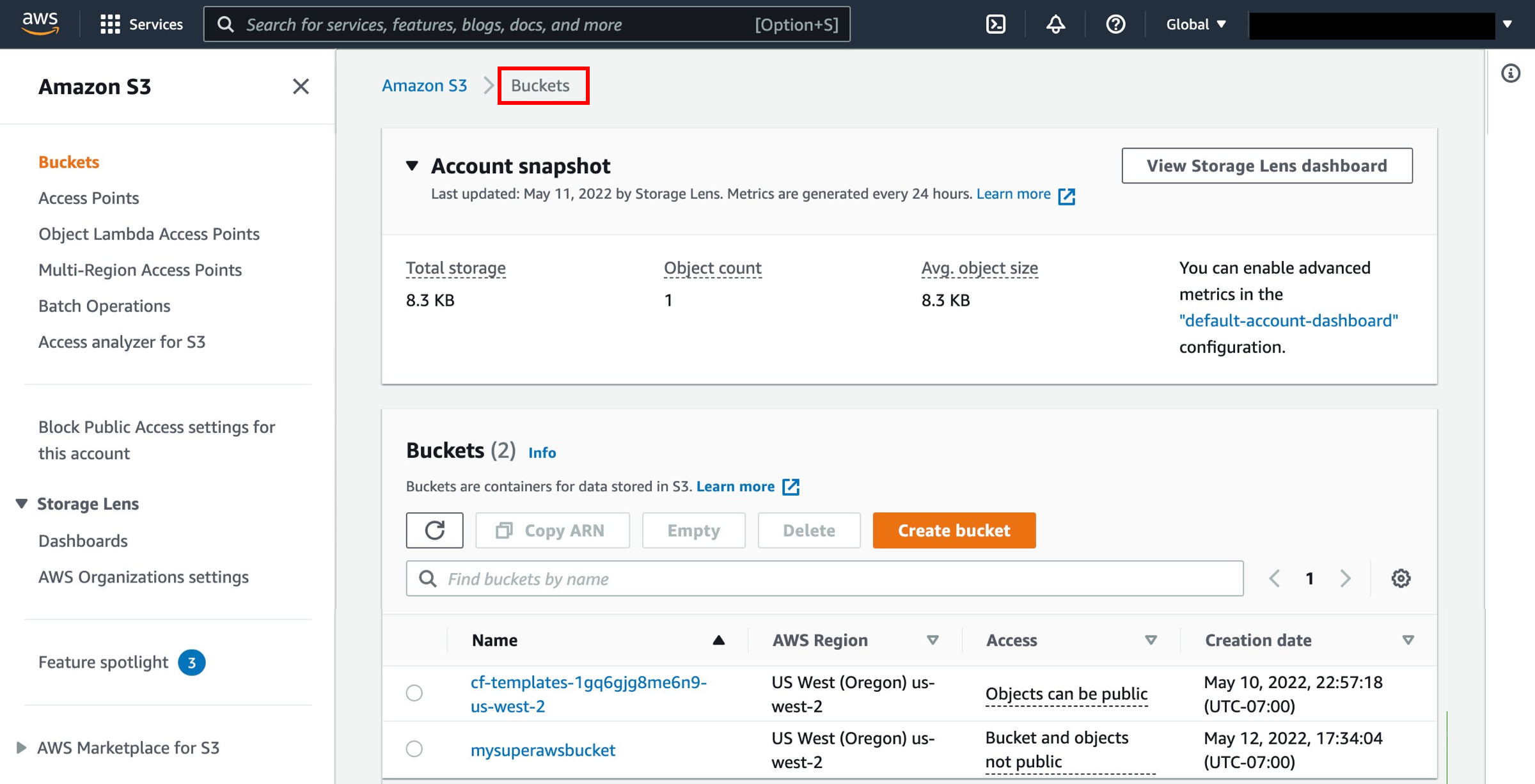
Amazon S3 is the AWS object storage service that stores data from bytes to exabytes, scaling elastically with pay-per-use pricing. It offers multiple storage classes with automated lifecycle management and is encrypted by default with access controls and auditing.
For long-term retention, the S3 Glacier storage classes provide low-cost archival with a range of retrieval options, from millisecond access to multi-hour bulk retrieval, so archives can be matched to how quickly the data needs to come back.
Key features include:
Limitations (as reported by users on G2):
Best for: Cloud object storage for data lakes and archives
Strengths: Immutable WORM, access tiers, lifecycle management
Things to consider: Egress costs and console usability
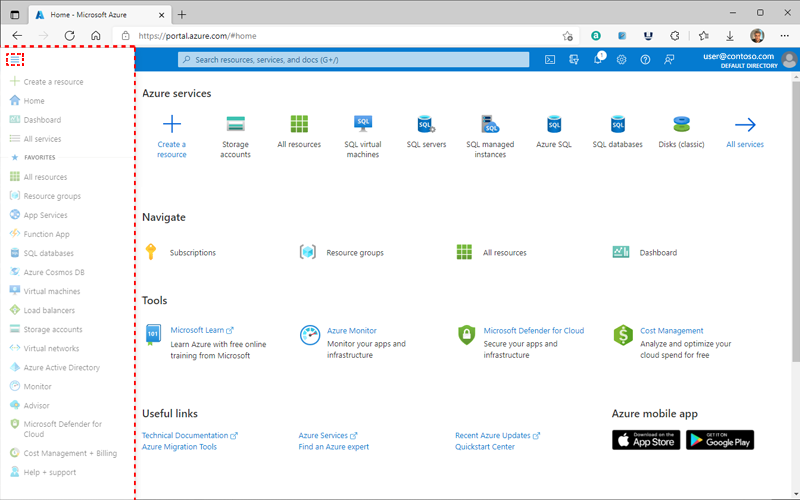
Azure Blob Storage is Microsoft’s cloud object storage for unstructured data such as text and binary files. It offers multiple access tiers with automated lifecycle management, integrates with other Azure services, and supports analytics through Azure Data Lake Storage.
It is built for scenarios ranging from serving images and documents to storing backups and archiving data, and it can replace tape archives with tiered storage that shifts data to lower-cost classes over time.
Key features include:
Limitations (as reported by users on G2):

Best for: Cloud object storage with tiered archival classes
Strengths: Bucket Lock retention, lifecycle, Autoclass
Things to consider: Permission setup and billing can be complex
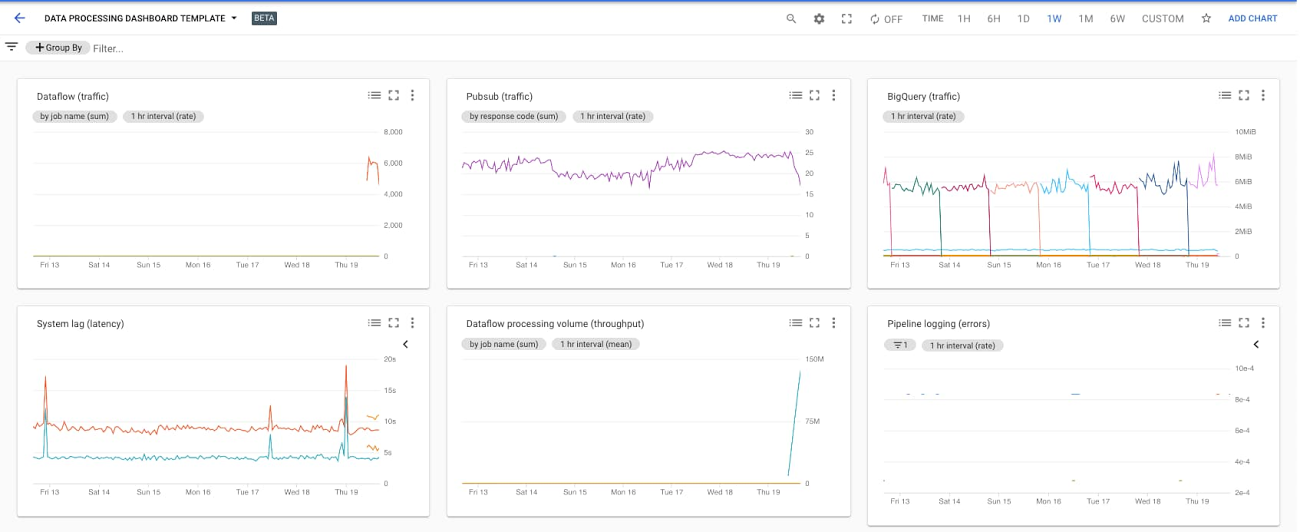
Google Cloud Storage is a managed object storage service for unstructured data, with storage classes spanning frequent to archival access. All classes have millisecond latency and are reached through a single API, and the service offers policy-based lifecycle management plus integration with Google Cloud analytics and machine learning tools.
It provides a range of retention and data-protection controls that suit long-term storage, along with continental-scale replication options for availability across regions.
Key features include:
Limitations (as reported by users on G2):

Best for: Low-cost single-tier cloud backups and archives
Strengths: No egress/API fees, immutability, S3 compatible
Things to consider: One tier only; console and permissions setup
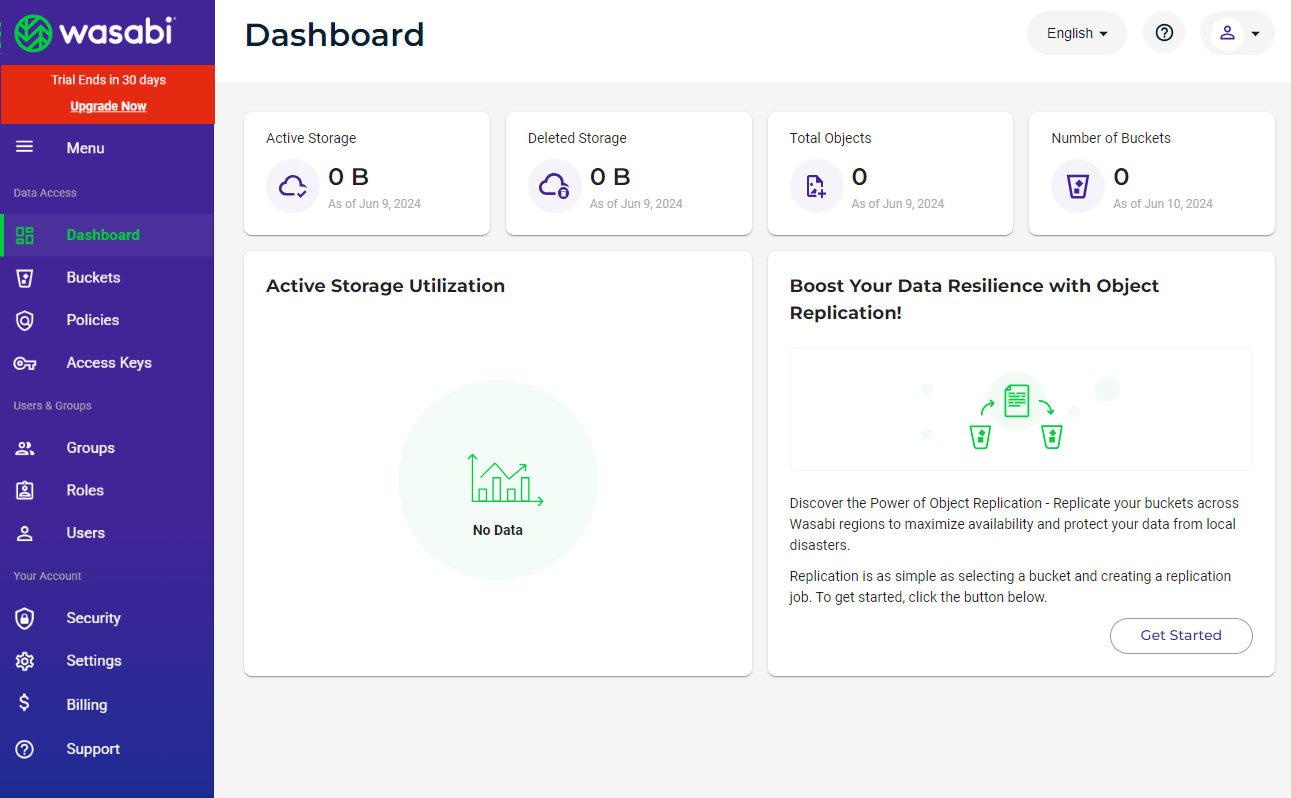
Wasabi Hot Cloud Storage is S3-compatible cloud object storage that uses a single storage tier and does not charge for egress or API requests. It targets backups, archives, and hybrid-cloud workloads, with reserved-capacity pricing for longer commitments.
Because there are no separate archive or warm tiers, all data is stored in one hot tier with low-latency access, which the vendor positions as a target for active archives, offsite backups, and cloud tiering.
Key features include:
Limitations (as reported by users on G2):
Object storage provides a scalable, cost-effective, and highly durable architecture essential for managing long-term data retention. By leveraging features like immutability and erasure coding, organizations can safeguard massive datasets against ransomware and ensure regulatory compliance. Whether deployed on-premises or in the cloud, these systems simplify data management and guarantee accessibility for years to come.

