


Request a Demo
Join a 30 minute demo with a Cloudian expert.
Object storage is a data storage architecture that manages data as objects, in contrast to file systems that manage data as a file hierarchy or block storage that organizes data into blocks within sectors and tracks. Each object contains the data itself, metadata which describes the data, and a unique identifier enabling retrieval.
Selecting object storage for large-scale data requires prioritizing unlimited, flat-namespace scalability, robust data durability (e.g., erasure coding), and S3-compatible API accessibility. Key criteria include cost-efficient, tiered storage (HDD for cold, NVMe for hot), high-bandwidth performance for analytics, security features like object immutability, and compliance support.
Key selection criteria for large data object storage:
This is part of a series of articles about AI infrastructure
In this article:
Object storage has become the preferred approach for managing massive and unstructured datasets due to its architectural flexibility, scalability, and compatibility with cloud-native workflows. Unlike traditional storage systems, object storage is optimized for durability, access at scale, and minimal operational overhead, making it a strong fit for data-intensive applications.
Key reasons why object storage is preferred for massive and unstructured data:
One of the foremost criteria for large-scale deployments is the system’s ability to scale efficiently in terms of both capacity and performance. Object storage should accommodate petabytes to exabytes of data without performance degradation, supporting a variety of workloads and user demands. This requires distributed architectures capable of balancing load, optimizing data placement, and supporting high concurrency for reads and writes without introducing bottlenecks.
Performance metrics such as throughput, latency, and IOPS need careful consideration relative to the intended use case. An object storage solution should support tuning for different access patterns, whether that’s large, sequential writes in backup scenarios or small, random reads typical of analytical queries. Dynamic scaling, both up and out, allows organizations to respond quickly to spikes in demand or data growth.
Data durability is non-negotiable when managing large amounts of critical or irreplaceable data. Object storage systems use mechanisms like data replication, erasure coding, and geo-distribution to ensure data remains available even in the event of hardware or site failures. The ability to tolerate and recover from component failures without data loss or downtime is essential, especially as the number of nodes and drive count increases with scale.
Protection features such as versioning, immutability, and automated integrity checks help prevent data corruption, unauthorized changes, and ransomware attacks. Backup and disaster recovery capabilities can further enhance an organization’s ability to recover from accidents or malicious events. When evaluating solutions, it’s important to understand how durability is achieved, what service levels are guaranteed.
At large scale, even slight differences in storage costs can lead to significant expense over time. Object storage solutions must balance upfront capital investment, ongoing operational costs, and any variable expenses related to data retrieval or transfer. Features like automated data tiering, storage optimization, and support for low-cost hardware help maximize the value received per terabyte stored and retrieved.
Transparent, predictable pricing models are especially important when deploying public, private, or hybrid object storage at scale. The ability to segment workloads across different storage classes (hot, cold, or archive) enables organizations to match cost to the expected access frequency and value of data. Additional savings can be realized through features such as deduplication, compression, and energy-efficient infrastructure choices.
Modern storage is rarely used in isolation; compatibility and integration with existing tools, workflows, and infrastructure is essential. Object storage should offer standardized APIs to enable interoperability with backup solutions, analytics pipelines, content delivery networks, and other enterprise components. Integration simplicity reduces migration friction and accelerates time to value for new deployments.
Support for legacy protocols, hybrid cloud architectures, and multi-site deployment scenarios further broadens the range of use cases served. Well-documented SDKs, connectors, and plug-ins allow organizations to tie storage into DevOps automation, enterprise authentication, and monitoring platforms.
Effective metadata management is a key differentiator in large-scale object storage. Granular, extensible metadata attached to every object enables advanced search, tagging, indexing, and policy enforcement. This capability makes it easier to organize, retrieve, and govern vast volumes of unstructured data, supporting analytics, compliance, and automation requirements.
Rich metadata capabilities unlock smarter workflows, such as automated lifecycle management, sensitive data discovery, and context-aware access controls. Organizations benefit from customizable indexing, schema flexibility, and the ability to associate application-specific or user-defined metadata.
Security is integral to any large-scale storage deployment. Object storage solutions should implement strong authentication, access control policies, and encryption (both in transit and at rest) to prevent unauthorized data access. Support for regulatory compliance, audit trails, and immutable storage is crucial for industries subject to strict legal or industry mandates.
Role-based access control, multi-factor authentication, and integration with enterprise identity providers help further secure data against internal and external threats. Automated monitoring and alerting can detect unusual activity or configuration changes, enabling timely response to potential risks. When evaluating solutions, organizations should look for security certifications and documented ability to meet requirements like GDPR, HIPAA, or CCPA.
Tiering capabilities let organizations optimize storage utilization and costs by automatically moving less frequently accessed data to lower-cost storage classes or archival solutions. Object storage should support policy-driven tiering based on data age, access patterns, or metadata tags, reducing manual management overhead and simplifying lifecycle management.
Effective tiering not only controls costs, but also ensures that the most performance-sensitive or critical data remains on the most available or fastest storage. Integration with cloud archives, tape libraries, or distributed cold storage enables an end-to-end approach that balances cost, accessibility, and data resilience. The flexibility to customize and automate tiering policies is valuable for adapting to new types or volumes of data over time.
At scale, the choice of consistency model, such as eventual or strong consistency, impacts application behavior and data integrity guarantees. Strong consistency ensures all clients see the latest data at all times but can limit performance or increase latency. Eventual consistency can improve write throughput or reduce latency but may expose clients to temporary data staleness.
Organizations should align their chosen object storage’s consistency model with application requirements, regulatory needs, and business risk tolerance. Some advanced platforms allow configurable consistency or support transactional semantics for specific workloads. Evaluating how data synchronization, conflict resolution, and concurrent access are managed reveals how well a solution handles complex, distributed operating environments.
API compatibility defines how easily object storage can integrate into diverse environments and workflows. S3 API support is now a de facto standard, but additional APIs can be important for cloud interoperability. Broader ecosystem support, such as SDKs, third-party tool compatibility, and community engagement, further enhances operational flexibility.
Well-documented APIs and language bindings accelerate developer adoption and enable automation for provisioning, monitoring, or migration. Robust ecosystem integration reduces lock-in, ensures ongoing innovation, and allows organizations to draw on a greater pool of partners and talent. The richer the support, the easier it is to future-proof storage investments as needs and technologies evolve.
Efficient management and automation are critical to operating object storage at scale without ballooning operational overhead. Centralized dashboards, APIs, and orchestration tools simplify health monitoring, capacity planning, upgrades, and remediation, empowering small teams to manage large deployments. Automated healing, self-balancing, and policy enforcement reduce human error and ensure service reliability.
Integration with configuration management, log aggregation, and alerting platforms allows organizations to maintain visibility and control over distributed storage resources. Support for automated workflows, such as provisioning, data movement, and compliance enforcement, speeds up routine tasks and simplifies system maintenance.
Related content: Read our guides to AI at the Edge, AI Workloads, AI Storage and Big Data Storage
| Tool | Which Criteria It Meets | Key Considerations… |
| Cloudian HyperStore | All 10 criteria: scalability and performance, data durability and protection, cost efficiency, compatibility and integration, metadata management, security and compliance, tiering capabilities, consistency models and access semantics, API compatibility and ecosystem support, and management and automation. | Purpose-built for on-premises and hybrid S3-compatible deployments at petabyte-to-exabyte scale. Eliminates egress fees and reduces storage costs by up to 70% compared to proprietary systems. Supports multi-tenancy with per-tenant QoS controls, automated cloud tiering to AWS, Azure, and GCP, and WORM object locking for compliance. Best fit for organizations prioritizing data sovereignty and self-managed infrastructure. |
| Cloudflare R2 | Cost efficiency, API compatibility, multicloud integration, management simplicity | No egress fees are a major advantage, but it is tightly coupled to Cloudflare’s ecosystem. Limited on-prem deployment options and less control over infrastructure compared to self-managed systems. |
| Red Hat Ceph Storage | Scalability, durability, flexibility, metadata management, automation | Highly flexible and scalable, but operational complexity is significant. Requires skilled teams to manage and tune performance. Hardware and support costs can rise at scale. |
| Nutanix Object Storage | Integration, tiering, security, metadata management, hybrid deployment | Strong integration within Nutanix environments, but less attractive outside that ecosystem. Licensing and platform dependency can increase total cost. |
| Hitachi Object Storage | Durability, security, compliance, performance, hybrid support | Enterprise-grade capabilities with strong governance, but typically higher cost and more suited for large enterprises than smaller deployments. |

Cloudian HyperStore is an enterprise-grade, software-defined, S3-compatible object storage platform built for on-premises and hybrid cloud deployments. It enables organizations to store and manage petabyte-to-exabyte-scale unstructured data with full Amazon S3 API compatibility, running on commodity hardware at significantly lower cost than proprietary systems. HyperStore is designed for demanding enterprise workloads including AI/ML pipelines, data lakes, backup, and archival storage.
Key features include:
How it meets object storage selection criteria:

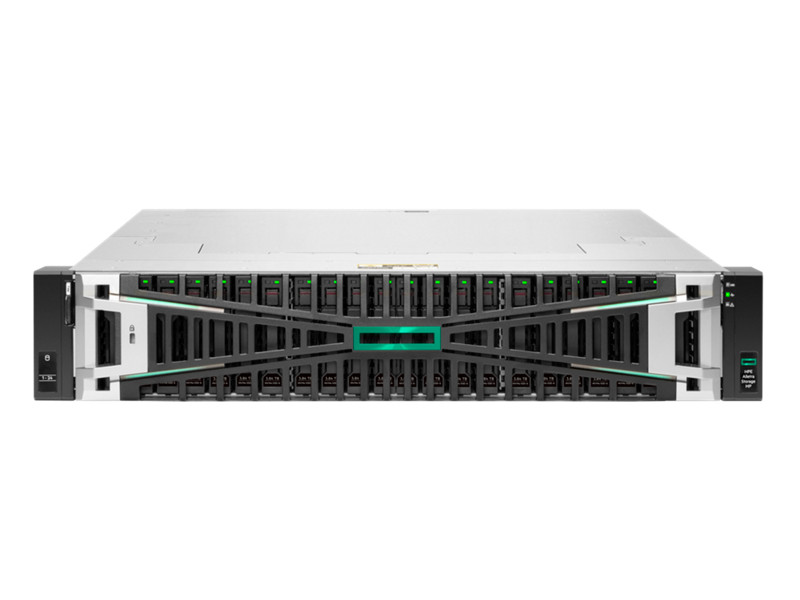
HPE Alletra Storage MP X10000 is an object storage platform for large-scale, unstructured data and AI-driven workloads. It combines high-performance, all-flash architecture with built-in data intelligence to reduce reliance on external data pipelines and improve data accessibility. The system is cloud-managed, enabling centralized control across environments.
Key features include:
How it meets object storage selection criteria:
Red Hat Ceph Storage is a software-defined storage solution built for private cloud environments and now offered as part of Red Hat OpenStack Services on OpenShift. It provides a scalable, resilient platform for managing large volumes of unstructured data across containers and virtual machines.
Key features include:
How it meets object storage selection criteria:


Nutanix Object Storage is a software-defined, S3-compatible storage platform designed to simplify and scale unstructured data management across hybrid and multicloud environments. Built to run on the Nutanix AOS platform, it consolidates storage workloads (big data, cloud-native apps, backups, and deep archives) on a single, unified system.
Key features include:
How it meets object storage selection criteria:
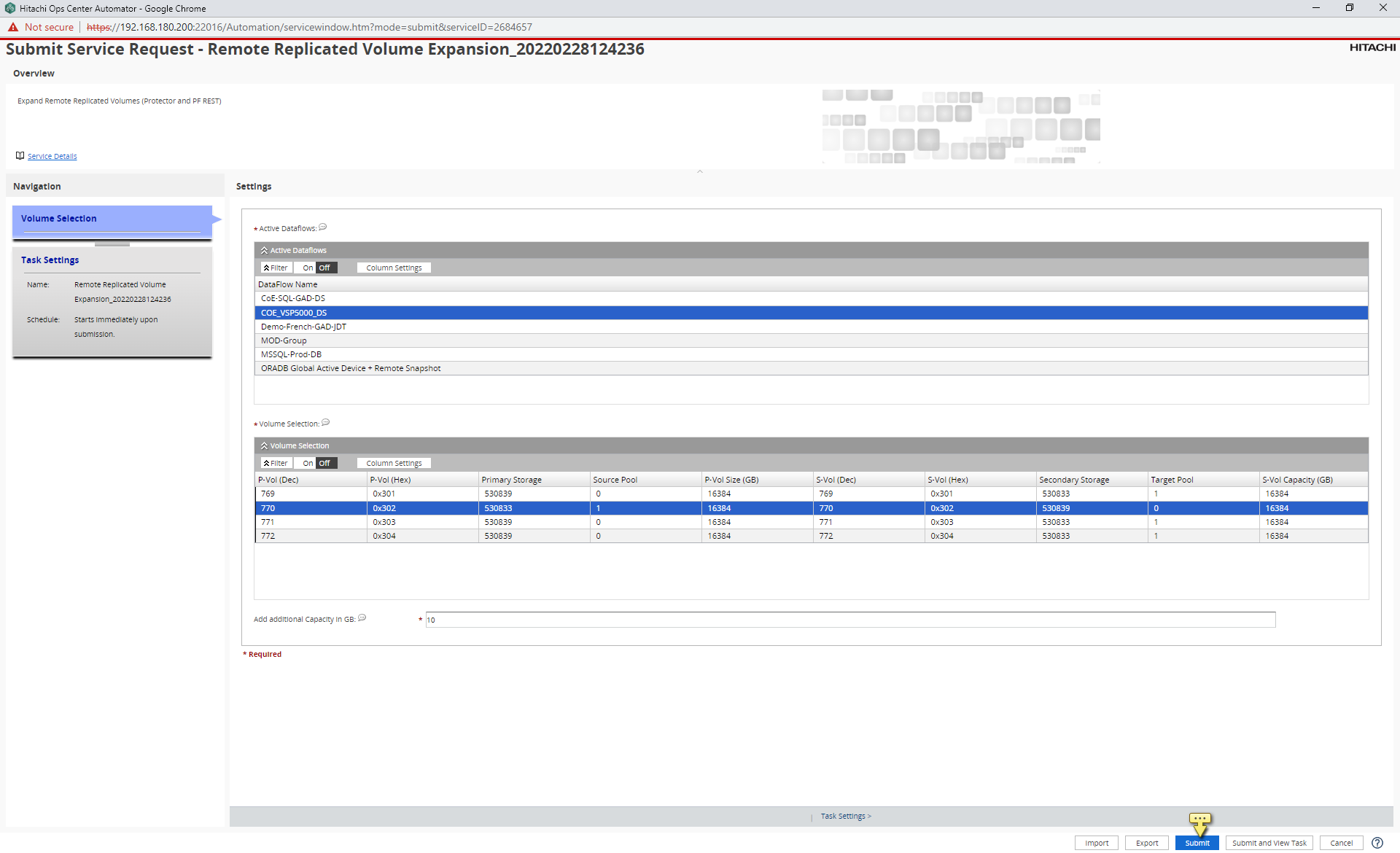
Hitachi Object Storage is an enterprise-grade, S3-compatible platform designed to support data-intensive applications across hybrid and multicloud environments. Tailored for modern workloads like AI, analytics, and data lakehouses, it combines performance with built-in data governance, cyber resilience, and intelligent services.
Key features include:
How it meets object storage selection criteria:
Object storage provides a scalable and durable foundation for managing massive and unstructured datasets in modern IT environments. Its flat architecture, distributed design, and rich metadata capabilities allow organizations to store, protect, and access data efficiently at petabyte scale and beyond. By combining cost optimization, strong security controls, API-driven integration, and automated lifecycle management, object storage aligns well with cloud-native and data-intensive workloads.
See Cloudian first in Google Search

