


Request a Demo
Join a 30 minute demo with a Cloudian expert.
A data management platform (DMP) is a centralized system designed to collect, store, and manage data from various sources. It helps organizations standardize data formats, ensure data quality, and establish a unified data repository for analysis. DMPs integrate with multiple data sources, including databases, APIs, and third-party systems, allowing businesses to efficiently process and utilize structured and unstructured data.
Beyond storage, DMPs provide tools for data classification, enrichment, and governance, ensuring compliance with industry regulations. They support seamless data access across departments, enabling organizations to extract meaningful insights, optimize workflows, and enhance decision-making processes.
As enterprises push more workloads into generative AI and autonomous agents, modern DMPs increasingly focus on producing AI-ready data, converting unstructured content into vector embeddings and applying automated, policy-driven governance across the pipeline.
The data management landscape is being reshaped by rapid growth and by the demands of AI: the market is expanding at strong double-digit rates, and platforms are racing to deliver AI-ready data, embedded vector search, and automated governance. The sections below reflect these shifts alongside the enduring fundamentals of collecting, organizing, and activating data.
Editor’s note: This article was updated to add recent market and technology trends, including AI-ready data preparation, vector search, and automated data governance, as of 2026.
This is part of a series of articles about AI infrastructure
In this article:
Data collection and ingestion processes are responsible for capturing raw data from various sources, both inside and outside the organization. An effective data ingestion process establishes a data pipeline that enables real-time data collection. It sets the stage for subsequent processing, ensuring that data flows seamlessly into analysis and activation stages.
Because a large share of enterprise data arrives as documents, images, audio, and video that AI systems cannot natively use, ingestion increasingly includes preprocessing that transforms unstructured content into chunked, embeddable formats so it can feed generative AI and retrieval workflows.
Data classification and organization in DMPs involves categorizing data based on predefined criteria to enable efficient retrieval and usage. By organizing data into taxonomies or ontologies, organizations can better manage and interpret the vast amounts of information. This helps identify patterns, trends, and relationships within the data.
Efficient data organization enables improved data accessibility, which is critical for stakeholder engagement across various departments. It further lays the groundwork for advanced analytics and reporting, enabling organizations to harness the full potential of their data. Proper classification ensures that data remains valuable and actionable.
Increasingly, this layer relies on active metadata and AI-assisted lineage tracking that continuously monitor schema changes, data health, and dependencies, shifting classification away from passive cataloging toward automated orchestration.
Data activation and integration refer to leveraging gathered and organized data to inform business strategies and decision-making. In DMPs, this process involves connecting various data sources and channels to enable actionable insights that drive marketing and operational decisions.
Integration ensures a cohesive view of the customer, enabling personalized interactions across touchpoints. Organizations often employ data activation to improve marketing campaigns, improve customer experiences, and innovate on product offerings. Integration with third-party software and services is critical for extending the reach and breadth of DMP capabilities.
Activation now extends to preparing data for AI agents and large language models, with organizations making assets “agent-ready” so automated tools can access, retrieve, and act on trusted, well-governed data.
Cloud-native platforms enable seamless data access and analysis, regardless of geographic location, ensuring consistent data management operations. Being cloud-based allows organizations to scale resources up or down based on real-time needs, optimizing resource utilization.
Such platforms typically feature strong security measures and continuous updates, ensuring data protection and platform resilience. They enable quicker deployment cycles and allow organizations to leverage the latest innovations in data management without significant infrastructure investments.
Many now embed vector database and hybrid-search capabilities directly into the platform, letting teams store embeddings alongside structured analytics and power retrieval-augmented generation without standing up separate infrastructure.
Enterprise Data Hubs (EDHs) centralize data from different sources across an organization, serving as a single point of truth. These platforms simplify data governance by ensuring consistency and compliance with industry regulations. By breaking down silos, EDHs enable collaboration across departments, providing unified access to updated and accurate data.
EDHs support diverse data processing tasks, integrating with both traditional databases and modern data solutions like Hadoop. Their architecture is designed for handling large-scale data operations efficiently, making them suitable for organizations with complex data landscapes.
Customer Data Platforms (CDPs) focus on aggregating and managing customer data to personalize marketing efforts. Unlike traditional DMPs, CDPs are tailored for marketing and customer experience optimization, offering a real-time, single view of the customer. CDPs integrate data from various customer touchpoints.
These platforms enable the segmentation and analysis of customer data, leading to insightful marketing strategies and improved customer retention rates. CDPs also enable automation of marketing processes, delivering personalized content and offers that increase engagement.
Industry-specific data management platforms cater to the unique needs of distinct sectors, such as healthcare, finance, or retail. These platforms are tailored to the nuances of industry-specific data and regulatory requirements, offering customized solutions to address particular workflows and processes. This specialization helps organizations comply with industry standards.
They often include prebuilt processes and data models aligned with industry best practices, eliminating the need for extensive customization. This focus ensures that organizations can quickly adapt to market demands and optimize their operations.
As organizations move generative AI and autonomous agents into production, the role of the data management platform is expanding from storing and organizing data to making it usable by AI systems. Roughly 80% of enterprise data sits in formats that AI cannot natively consume, such as PDFs, images, video, audio, and scanned documents, so platforms increasingly add capabilities to preprocess this content into high-quality, AI-ready data.
A central part of this shift is turning unstructured content into vector embeddings that large language models can search and reason over. Platforms now offer native ingestion that converts many file types into chunked, structured, and vectorized outputs, and vector database capabilities are being embedded directly alongside structured analytics so teams can support retrieval-augmented generation without separate infrastructure.
Governance is evolving in parallel. Automated, policy-driven controls, continuous lineage tracking, and active metadata now underpin AI initiatives, helping enforce access rules, detect anomalies, and keep training data compliant. Industry analysts expect a majority of large enterprises to rely on data lineage tooling to manage regulatory and operational risk, reflecting how governance has become a core enabler rather than a compliance afterthought.
This emphasis on AI readiness is also reshaping platform strategy. Because AI workloads span public cloud, on-premises, and edge environments, and most enterprises run multi-vendor storage, a vendor-agnostic data intelligence layer that can classify, enrich, and reconcile assets is becoming essential for producing trustworthy data at scale.

Cloudian HyperStore is an on-premises S3-compatible object storage solution designed for data-intensive workloads, including data analytics, backup, and disaster recovery. It provides a cost-effective alternative to public cloud storage while enabling seamless integration with data warehouse platforms.
Key features include:


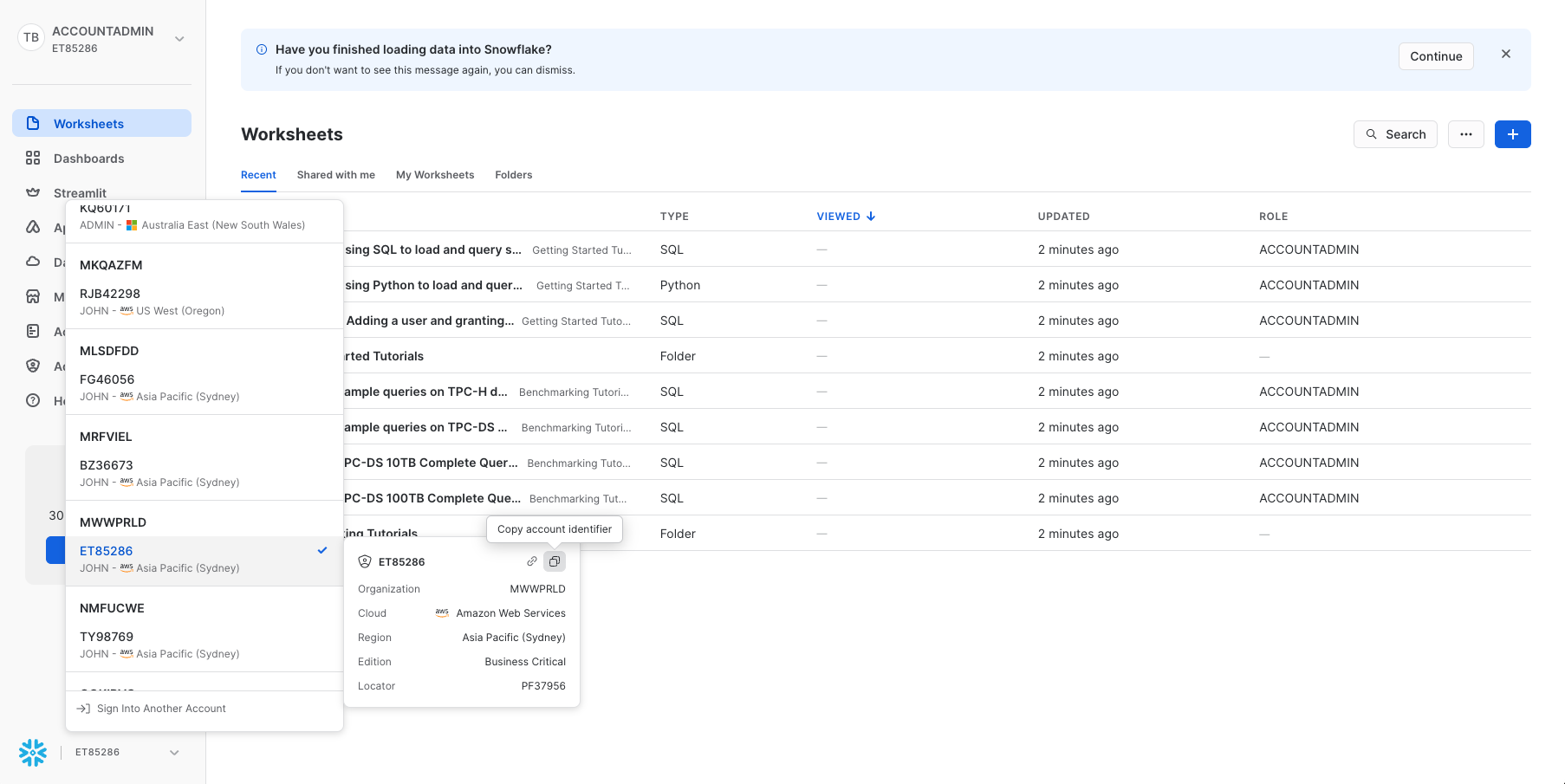
Snowflake Data Cloud is a fully managed data platform that supports multi-cloud environments, providing interoperability across cloud providers. Its architecture separates storage and compute, allowing organizations to scale resources independently.

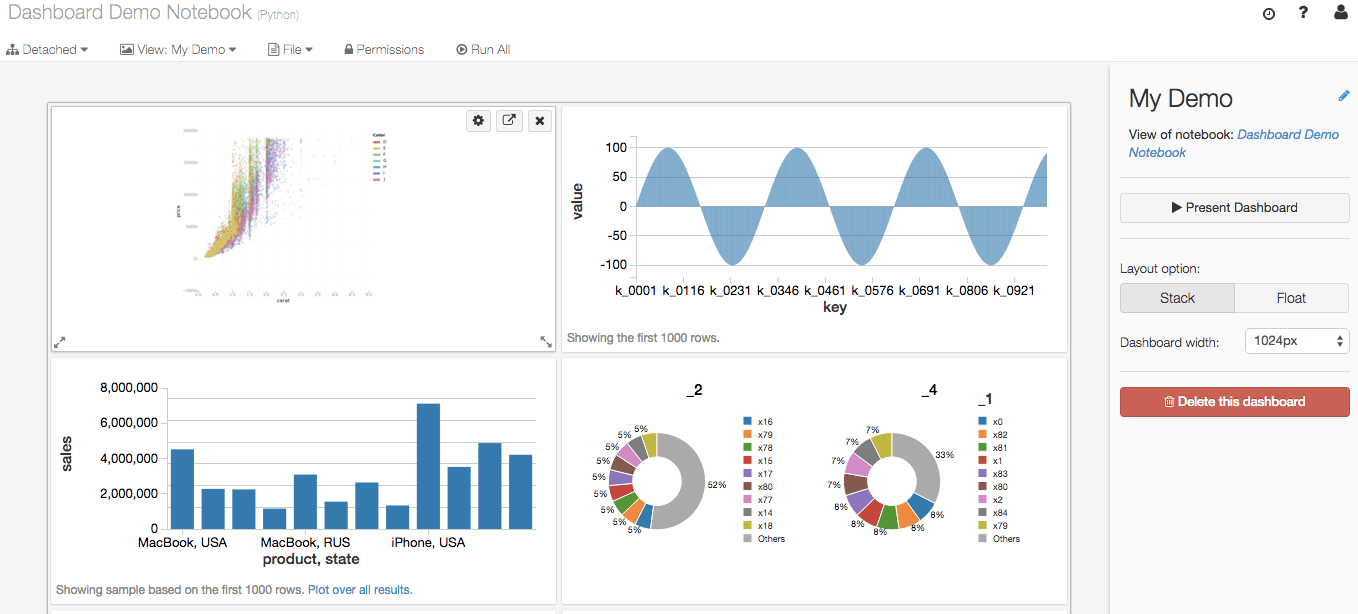
Databricks is a unified data and AI platform designed to optimize performance, scalability, and governance in modern data environments. Built on an open lakehouse architecture, Databricks combines the flexibility of data lakes with the performance of traditional data warehouses.
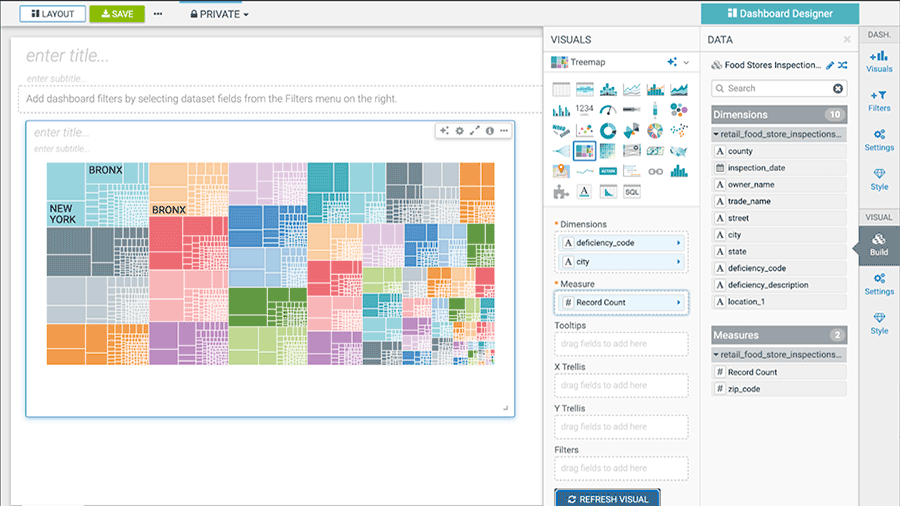
SAP Data Intelligence Cloud is the data management and orchestration layer of SAP Business Technology Platform. It enables seamless integration, discovery, and governance of enterprise data across hybrid and multi-cloud environments.

Cloudera Data Platform (CDP) is a hybrid data and analytics platform to help enterprises manage and analyze data across private and public cloud environments. By supporting open data lakehouses, data fabrics, and data meshes, it enables data movement, analytics, and AI-driven insights.

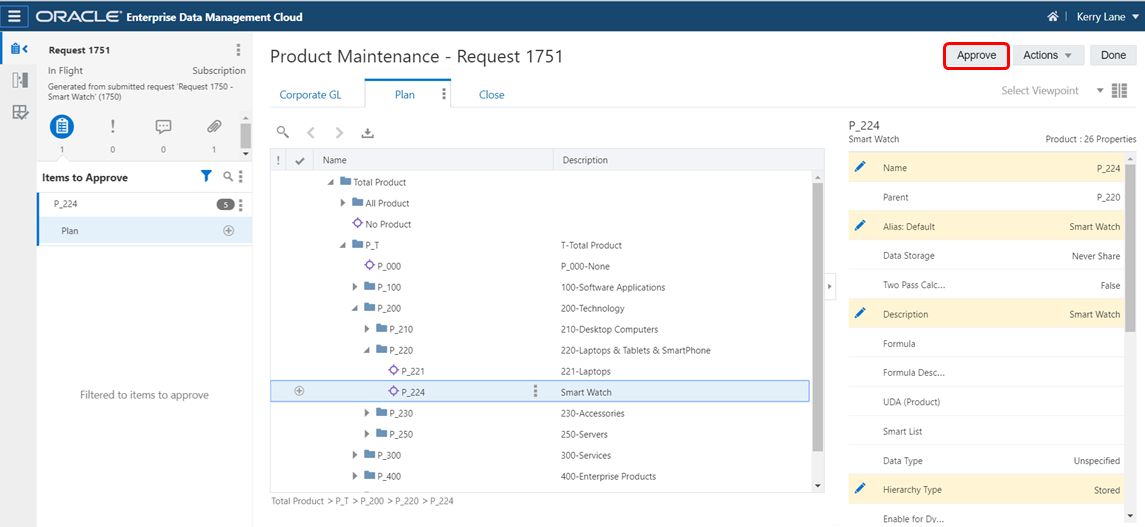
Oracle Enterprise Data Management (EDM) is a solution to help organizations manage master data across multiple enterprise applications. It enables organizations to adapt to change, whether migrating to the cloud, managing mergers and acquisitions, or reconciling metadata differences across systems.

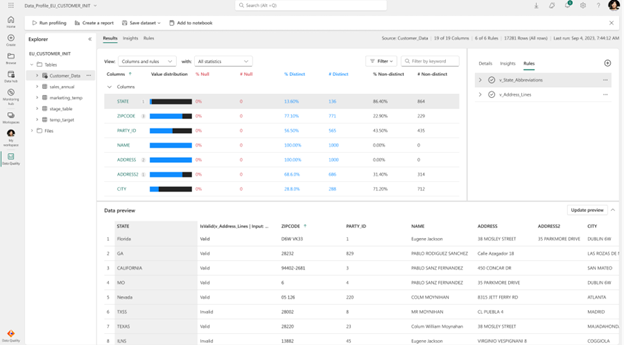
Informatica Intelligent Data Management Cloud (IDMC) is an AI-powered data management platform to help organizations integrate, govern, and optimize data across multi-cloud and hybrid environments. With scalable, serverless computing and AI-based automation, it simplifies data integration.

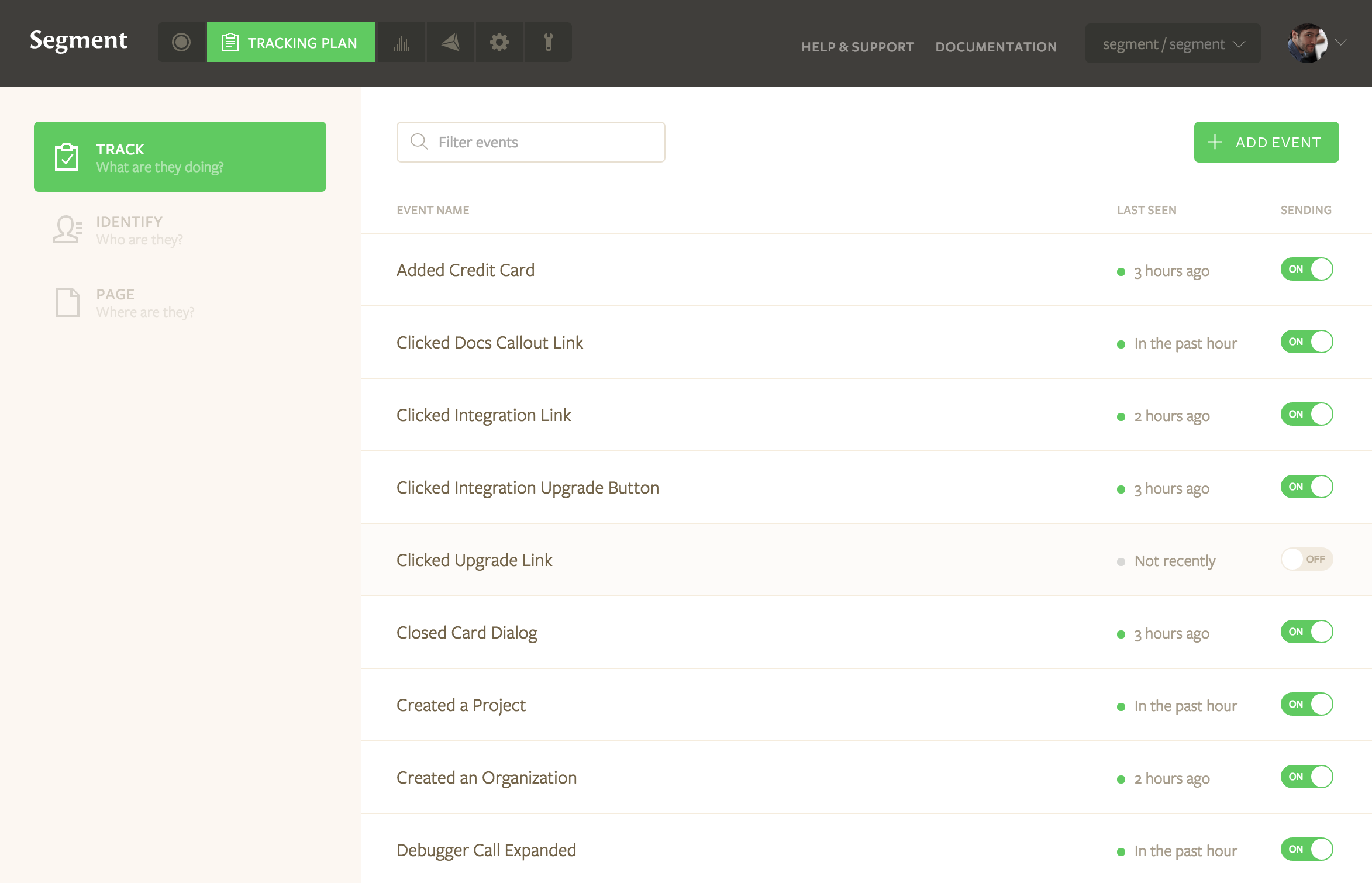
Twilio Segment is a customer data platform that enables organizations to collect, unify, and activate customer data. Using AI, it builds identity-resolved customer profiles to support personalization and improve customer experiences.
Data management platforms help organizations collect, organize, and utilize data efficiently. By enabling seamless data integration, audience segmentation, and activation, these platforms support data-driven decision-making across marketing, operations, and business intelligence. As businesses continue to generate and rely on vast amounts of data, choosing the right platform ensures scalability, security, and actionable insights that drive long-term success.
See Cloudian first in Google Search

